


Steps and Advantages of Laser Cladding Repair for Hydraulic Motors
Contact Info
- Add:西安市国家民用航天产业基地航天基地299号西安建工科技创业基地十号楼4层, Zip:
- Contact: 段纯
- Tel:17392761868
- Email:gsjgkj@163.com
Other Products


In the modern industrial sector, hydraulic motors, as key components for power transmission and conversion, are widely used in various industries such as construction machinery, marine propulsion, and oil drilling. However, prolonged high-intensity operation and harsh working environments often lead to issues like wear, corrosion, or cracks on the surface of hydraulic motors, severely affecting their performance and lifespan. Traditional repair methods, such as welding and component replacement, are not only costly and time-consuming but may also cause secondary damage to the base material. In this context, laser cladding repair technology has gradually become a favored solution in the field of hydraulic motor repair due to its unique advantages. This article will delve into the principles, processes, advantages, and application cases of laser cladding repair for hydraulic motors, highlighting the significant role of this technology in modern industrial maintenance.
1. Overview of Laser Cladding Repair Technology
Laser cladding repair is an advanced surface engineering technology that uses a high-energy-density laser beam as a heat source to rapidly melt and deposit powder materials of specific compositions onto the surface of the base material, forming a coating metallurgically bonded to the substrate. The precise control of the laser beam and the accurate delivery of the powder materials are critical in this process. Laser cladding not only repairs worn or damaged surfaces but also imparts new properties to the substrate surface, such as wear resistance, corrosion resistance, and high-temperature resistance, by selecting appropriate coating materials.
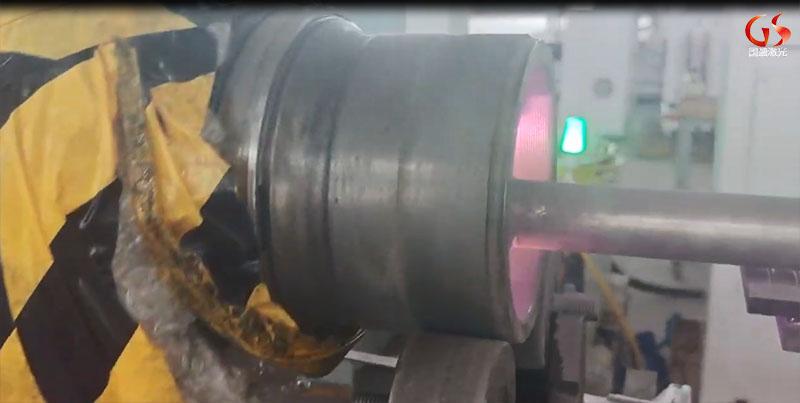
2. Steps of Laser Cladding Repair for Hydraulic Motors
1. Preliminary Preparation: First, thoroughly clean and inspect the hydraulic motor to identify the areas requiring repair and the extent of damage. Then, design a repair plan based on the damage assessment and select appropriate coating materials and process parameters.
2. Surface Treatment: Remove oxides, oil stains, and impurities from the surface of the area to be repaired using methods such as sandblasting and grinding to increase surface roughness and enhance the bonding strength between the coating and the substrate.
3. Laser Cladding Implementation: Secure the hydraulic motor on a specialized fixture to ensure stability during the repair process. Start the laser cladding equipment and adjust the laser beam energy, scanning speed, and powder feed rate according to preset parameters, allowing the powder material to melt under the laser beam and spread evenly on the substrate surface, forming a dense coating.
4. Post-Processing and Inspection: After cladding, perform post-processing such as grinding and polishing to improve surface quality. Subsequently, conduct comprehensive testing of the coating properties through hardness tests, metallographic analysis, corrosion resistance tests, and other methods to ensure the repair quality meets requirements.
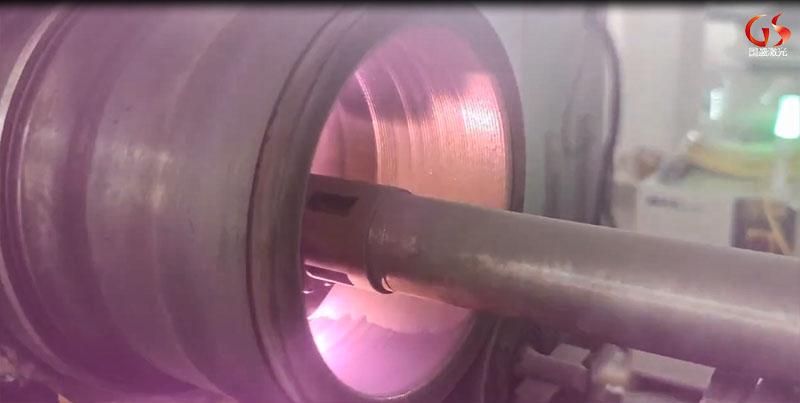
3. Advantages of Laser Cladding Repair Technology
1. High Precision and Low Damage: The high energy density and precise control of the laser beam result in a small heat-affected zone on the base material during the cladding process, reducing thermal stress and deformation and minimizing damage to the substrate.
2. Wide Range of Material Selection: Depending on the specific working conditions of the hydraulic motor, alloy powders of different compositions, such as wear-resistant alloys and corrosion-resistant alloys, can be selected for cladding to meet diverse repair needs.
3. High Bonding Strength and Extended Service Life: The metallurgical bond formed between the laser cladding layer and the base material provides a bonding strength far superior to traditional welding or spraying techniques, effectively resisting stress concentration and fatigue failure during use.
4. High Repair Efficiency: The laser cladding process is highly automated, easy to operate, and fast, significantly reducing downtime and improving production efficiency.
5. Environmental Friendliness and Energy Efficiency: Compared to traditional repair methods, laser cladding requires minimal use of welding materials, reducing resource consumption and environmental pollution.
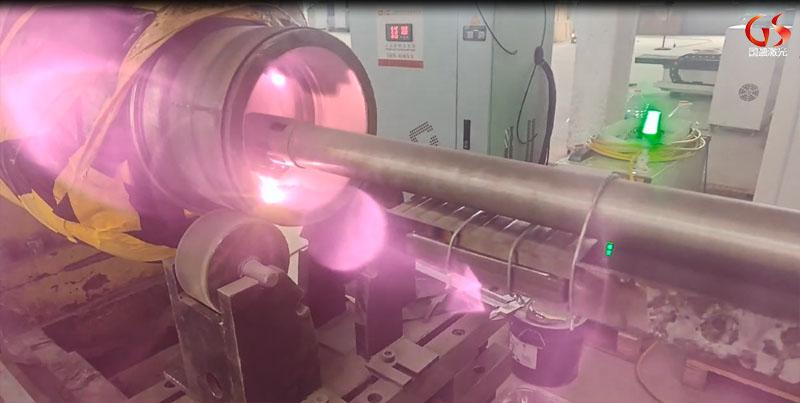
4. Future Development Trends
With technological advancements and increasing industrial demands, laser cladding repair technology for hydraulic motors is poised for broader development prospects. In the future, breakthroughs are expected in the following areas:
1. Intelligence and Automation: Integrating advanced sensor technology, artificial intelligence algorithms, and robotics to achieve intelligent and automated laser cladding repair processes, further improving repair efficiency and precision.
2. Material Innovation: Developing new cladding materials with higher performance, such as nanocomposites and gradient functional materials, to meet the repair needs of hydraulic motors under extreme working conditions.
3. Environmental Sustainability: Optimizing the laser cladding process to reduce energy consumption and waste generation, promoting the technology's development toward greater environmental friendliness and sustainability.
4. Remote Monitoring and Maintenance: Utilizing IoT and cloud computing technologies to enable remote monitoring and fault diagnosis of hydraulic motor operating conditions, allowing for predictive repair planning and reducing unplanned downtime.
In summary, laser cladding repair technology for hydraulic motors, with its characteristics of high precision, low damage, high performance, efficiency, speed, and environmental friendliness, provides new solutions for the maintenance and upgrading of modern industrial equipment. As the technology matures and costs further decrease, laser cladding repair is expected to be applied in broader fields, contributing to the sustainable development of industrial production. In the future, with continuous progress in materials science, laser technology, and related fields, laser cladding repair technology will witness more innovations and breakthroughs, opening up even broader prospects for the repair and maintenance of key components like hydraulic motors.
| Industry Category | Others |
|---|---|
| Product Category | |
| Brand: | 国盛激光 |
| Spec: | |
| Manufacturer: | 西安国盛激光 |
| Origin: | 116101 |


